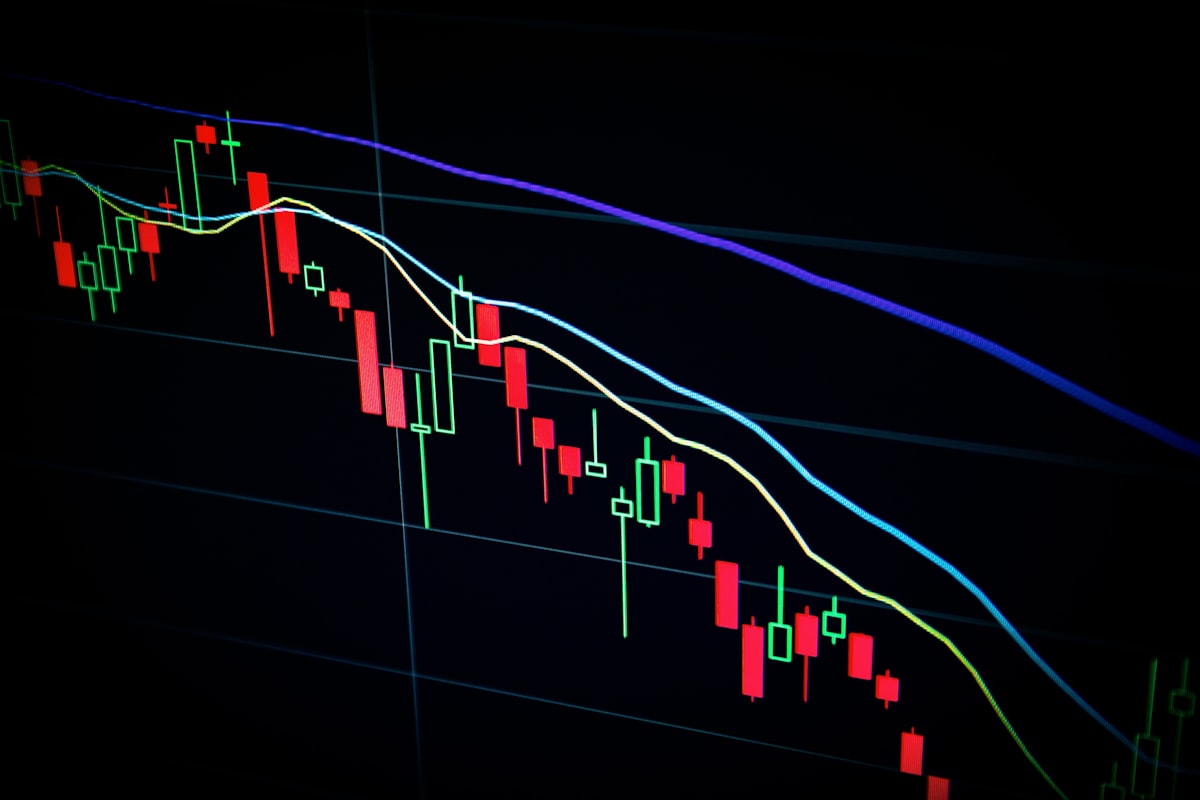
You have a tested strategy. It has a positive expectancy over 200 trades. Then you take three losses in a row. You feel the urge to recover the drawdown immediately. You take a trade outside your setup rules. It loses. You take a bigger position to recover faster. It loses again. In 45 minutes, you have wiped out a week of gains. This is not a strategy problem. It is a psychology problem.
The emotional cycle every trader knows
Loss triggers a threat response in the limbic system — the same neural circuitry that handled predators on the African savanna. Your brain does not distinguish between a tiger and a losing trade. The physiological response is the same: elevated cortisol, narrowed focus, urgency to act.
This is why the advice to "just be disciplined" does not work. You are fighting neurobiology. What does work is creating systems and rules that activate before the emotional state takes over — not during it.
The three most common psychology traps
- Revenge trading — entering a trade to recover a loss, not because the setup is valid
- Moving stops — widening a stop loss to "give the trade more room" when the thesis is invalidated
- Oversizing after losses — increasing position size to recover faster, increasing risk exactly when judgment is worst

The psychological response to loss is hardwired — the solution is building rules that activate before it does.
The pre-commitment solution
The most effective psychological tool is pre-commitment: making decisions about what you will do before you are in the emotional state that would compromise those decisions. Your daily plan is a pre-commitment device. Your daily max-loss rule is a pre-commitment device. Your "pause after 2 losses" rule is a pre-commitment device.
Write these rules in your morning plan before you open a chart. When you are calm, you are fully capable of making excellent decisions about trading. The problem is that those decisions evaporate when you are in a drawdown. Pre-commitment pins them to the ground so you cannot talk yourself out of them mid-session.
Using your journal as a psychological mirror
After 30 days of logging your pre-trade mood, you will be able to see exactly which emotional state correlates with your worst trading. For most traders, it is not anger or fear — it is overconfidence after a winning streak. That is the emotional state that causes the biggest single-day losses. The journal shows you the pattern. The plan gives you the rule to follow when you are in it.