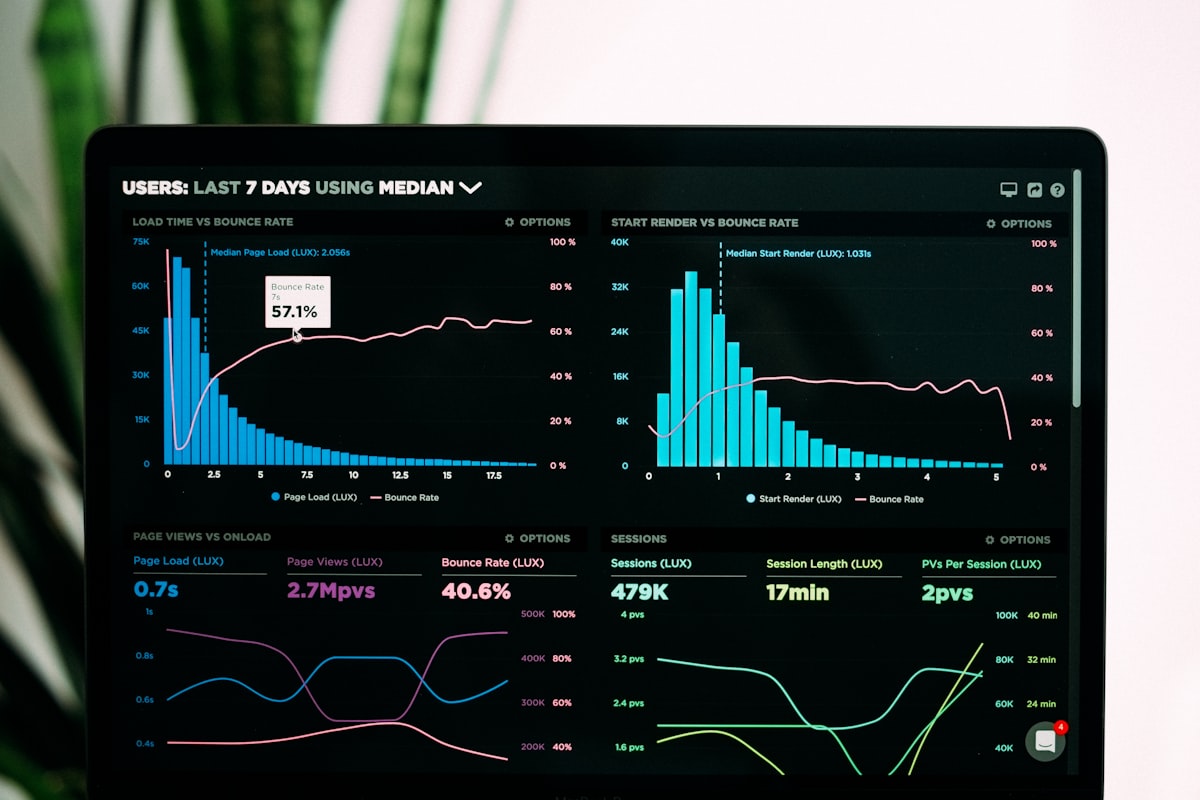
Ask any consistently profitable trader what separates them from the majority who lose, and journal consistently comes up. Not strategy. Not indicators. Not a better broker. A journal. Yet most traders never keep one for more than a week. Here is why that matters, and exactly how to fix it.
The real problem: you are trading on memory
Human memory is selective and self-serving. You remember the big wins in vivid detail. The losses blur together. The pattern you are repeating every week — the one that costs you 30% of your monthly P&L — is completely invisible to you because your brain has quietly filed it away.
A journal is not about discipline or motivation. It is about making invisible patterns visible. Once you see that 80% of your losses happen on the first trade of the day, or that GBPJPY consistently costs you money while EURUSD is your best pair, the decision about what to change becomes obvious.
What to log (and what to skip)
Most journaling advice tells you to write everything. That is why nobody continues past day five. Keep it minimal. The only fields that consistently surface actionable patterns are: entry type (your setup name), mood before entry (a 1–5 scale or an emoji), execution rating (did you follow your plan?), and the outcome in R multiples rather than dollars.
- Entry type — which playbook setup triggered this trade
- Pre-trade mood — 1 (distracted/anxious) to 5 (calm/focused)
- Execution rating — 1 to 5: did you follow your entry and exit rules?
- Outcome in R — how many R multiples did you make or lose (not dollar amount)
- One-line tag — breakout, revenge, fomo, plan, news, overlap
The 30-day pattern you will find
After 30 days of logging even these five fields, almost every trader discovers the same thing: a small cluster of setups accounts for most of their positive expectancy, and a different cluster of entries — usually the impulsive ones — accounts for most of their losses. The numbers do not lie the way your memory does.
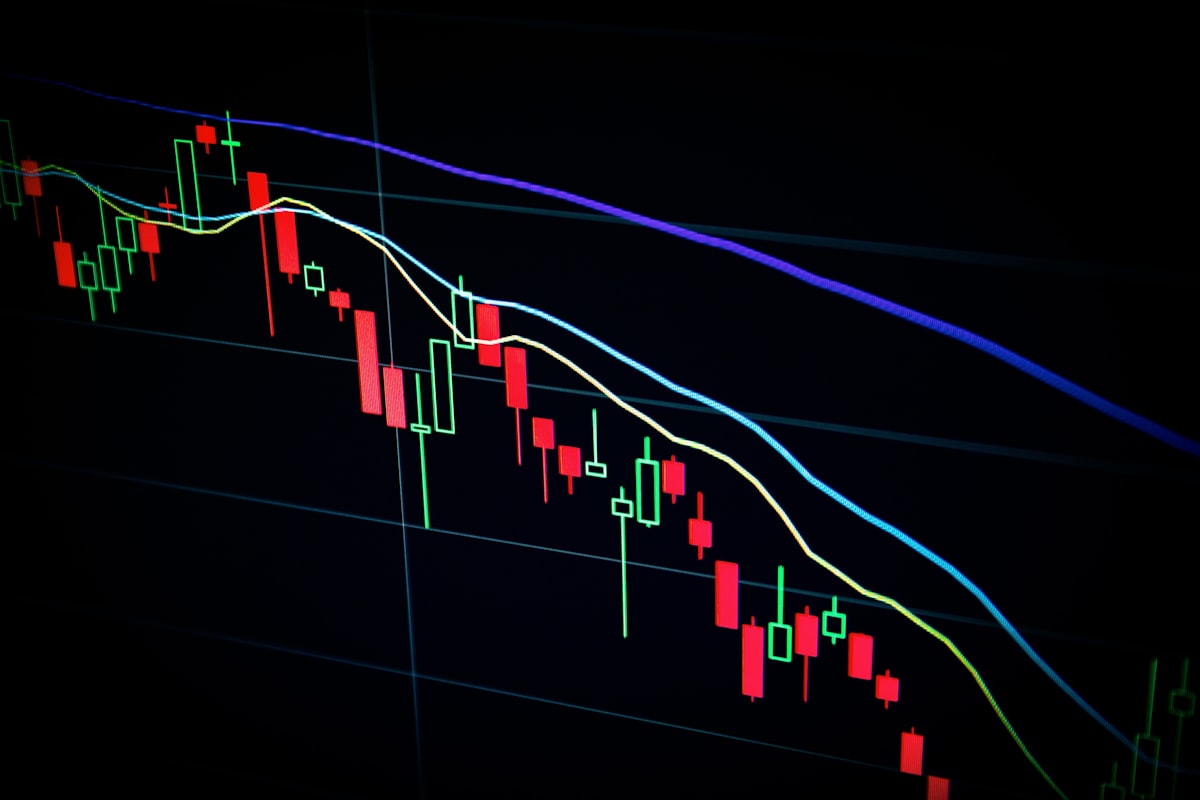
A systematic trade journal reveals patterns that intuition alone will never surface.
TradlyHub traders who journal consistently for 30 days report an average improvement of 2.1× in win rate — not because they found better setups, but because they stopped taking the setups they were losing on all along.
How to make it stick
The single most effective habit is logging immediately after the trade closes, while your memory of the emotional state is fresh. Log the mood and execution rating before you know the P&L outcome — otherwise hindsight bias corrupts the data. Keep your journal in the same platform where you review your performance, so the data connects automatically.